


Customer value-based segmentation models focus on grouping customers by the financial value they bring to a business. Unlike traditional methods like demographic or behavioral segmentation, this approach prioritizes profitability by analyzing key metrics such as Customer Lifetime Value (CLV), Average Order Value (AOV), and Retention Rates.
Why It Matters:
- High-Impact Targeting: Less than 1% of customers can drive 90% of revenue.
- Improved ROI: Tailored strategies for high-value customers maximize returns.
- Retention Focus: Retaining a customer costs 6–7x less than acquiring a new one.
Key Metrics:
- CLV: Total revenue expected from a customer over their lifetime.
- AOV: Average amount spent per transaction.
- Retention Rate: Percentage of customers who remain active over time.
- Cost to Serve: Costs associated with serving each customer.
Benefits:
- Boosts revenue by targeting profitable segments.
- Enhances personalization, which 90% of customers prefer.
- Improves marketing efficiency by focusing resources on high-value groups.
By focusing on profitability and aligning resources with customer value, businesses can build stronger, long-term relationships and increase revenue growth.
Purpose and Key Benefits of Value-Based Segmentation
Why Segment Customers by Value?
Value-based segmentation hones in on customers’ profit potential, making it a powerful tool for refining targeting strategies. This approach evaluates customer groups by estimating their revenue potential and associated costs, allowing businesses to focus on profitability rather than treating all customers the same.
"Value-based segmentation is a marketing tactic that aids companies in locating and concentrating on clients according to their projected value."
By identifying which customer groups are the most profitable, businesses can allocate resources more strategically. This means tailoring product offerings, promotions, and sales efforts to the customers who matter most. The result? Better understanding of target markets, more effective marketing strategies, and an improved customer experience.
For small and medium-sized businesses (SMBs), this approach is particularly impactful. With limited budgets and resources, it allows them to focus on high-value customer relationships, fostering loyalty and maximizing return on investment (ROI). It also helps SMBs pinpoint what their best customers truly need, ensuring resources are spent wisely.
By implementing value-based segmentation, SMBs can sharpen their marketing focus, align sales efforts, and boost customer retention. Instead of spreading marketing dollars thin, they can channel investments into customer groups that deliver the highest returns. This targeted approach lays the groundwork for tangible business gains, which we’ll explore next.
Business Benefits
Value-based segmentation offers clear advantages that directly impact a company’s financial performance. These benefits include higher customer lifetime value, improved retention rates, and smarter marketing spend.
Personalization is a key driver here. By offering relevant product recommendations and tailored messaging, businesses can significantly enhance the customer experience. This personalization not only strengthens loyalty but also informs decisions around product development, pricing, and positioning. And the results speak for themselves: 90% of customers are willing to spend more with companies that personalize their service.
Another standout benefit is increased marketing efficiency. By understanding what motivates their customers, SMBs can craft more relevant and effective campaigns. This leads to higher sales, better ROI, and deeper customer insights. Businesses gain a competitive edge by focusing their efforts where they’ll make the biggest impact.
Prioritizing high-value customers also fosters stronger relationships. These relationships drive long-term loyalty, improve market positioning, and even attract similar high-value customers. The ripple effect? Enhanced brand loyalty and satisfaction across all customer segments.
For SMBs, value-based segmentation goes a step further by helping them identify the best prospects. By segmenting based on factors like industry, company size, or specific needs, SMBs can zero in on the right sales opportunities. They can also tailor their approach based on where customers are in their journey, ensuring more meaningful interactions.
"The focus of companies is moving from generating more leads through marketing to finding ways to continuously engage the customer in their lifecycle. Customer experience is becoming the competitive edge… The human factor of customer experience is very important. When was the last time you said I love my bank because they have an excellent app?"
This shift toward ongoing engagement aligns perfectly with value-based segmentation. By understanding the true value of each customer, businesses can build lasting, profitable relationships that stand the test of time.
Value-based Segmentation: the Foundation of Product and Pricing
Core Metrics Used in Value-Based Segmentation
To effectively segment customers, businesses rely on specific metrics that help identify profitable groups and inform resource allocation. Among these, Customer Lifetime Value (CLV) stands out as the cornerstone of segmentation strategies.
Customer Lifetime Value (CLV)
Customer Lifetime Value (CLV) measures the total revenue a customer is expected to generate throughout their relationship with a business. This metric provides a clear picture of each customer’s financial contribution.
CLV plays a critical role in segmentation. Studies show that acquiring a new customer costs six to seven times more than retaining an existing one. Additionally, increasing customer retention by just 5% can boost profitability by at least 25%, and in some cases, as much as 95%.
The basic formula for CLV is:
Customer Lifetime Value = Customer Value x Average Customer Lifespan.
More advanced calculations include factors like Average Order Value (AOV), Purchase Frequency, and Customer Lifespan for a deeper understanding.
By connecting CLV to revenue, businesses can create targeted segmentation strategies. Customers can be grouped into high-, medium-, and low-value segments based on their CLV:
- High-value customers (high CLV, low churn): These customers are ideal for retention efforts and upselling strategies.
- Medium-value customers: With the right loyalty programs, these customers can be encouraged to spend more.
- Low-value customers (low CLV, high churn): Marketing resources can be minimized for this group.
"The probability of selling to an existing customer is up to 14 times higher than selling to a new customer".
Other Key Metrics (AOV, Retention, and Cost to Serve)
While CLV offers a big-picture view, other metrics provide essential details for fine-tuning customer value assessments. Together, these metrics help businesses zero in on high-value segments, which are crucial for driving revenue.
Average Order Value (AOV)
AOV reflects the average amount spent per transaction. As of September 2023, the global AOV in e-commerce exceeded $110. Since increasing AOV often costs less than acquiring new customers, short-term sales strategies frequently focus here.
Retention Rate
This metric measures the percentage of customers who remain active after their initial purchase cycle. For SaaS businesses, monthly churn rates typically range from 3% to 8%, leading to retention rates of 92% to 97%. On an annual basis, churn rates average 32% to 50%, translating to retention rates of 50% to 68%. High retention rates not only stabilize revenue but also improve financial forecasting.
Cost to Serve
This metric tracks the expenses involved in servicing customers. Even high-spending customers might be unprofitable if their support costs are excessive. By pairing Cost to Serve with revenue data, businesses can pinpoint customers who truly add value – those generating high revenue without disproportionate service costs.
Real-World Example: 123BabyBox
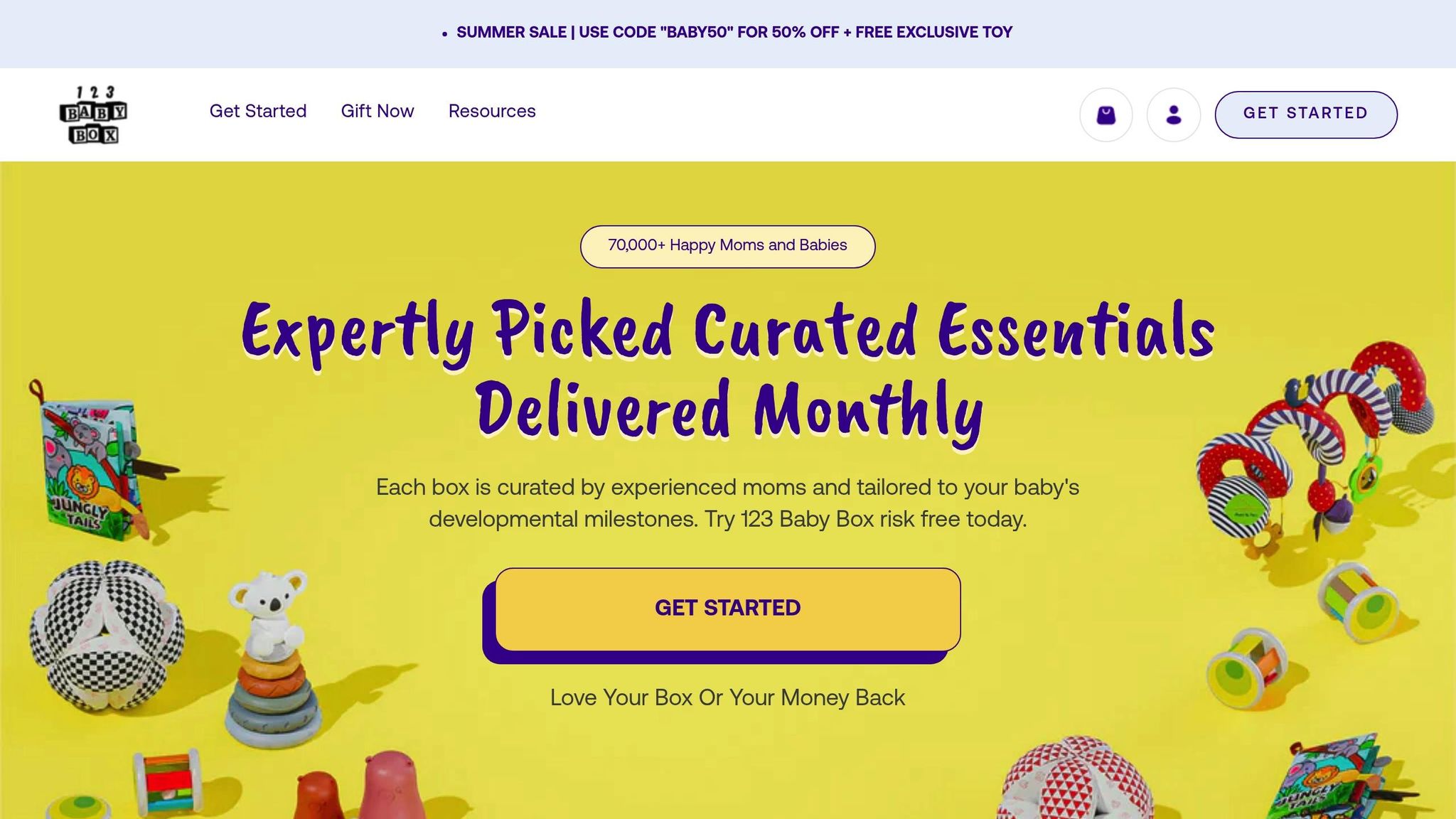
A practical example highlights how these metrics work together. 123BabyBox increased CLV by 40% by restructuring its subscription tiers. One-month subscriptions were priced at $59.99 per box, while annual plans dropped to $39.99 per box, extending the average subscription length from five to eight months and cutting churn by 18%. Additionally, long-term subscribers received perks like early access to limited edition products and priority shopping, adding nearly $150 in CLV per customer.
Why These Metrics Matter Together
Looking at these metrics in combination paints a fuller picture. For instance, a customer with a high AOV but low retention might only be a one-time buyer. Conversely, a customer with moderate AOV and strong retention could deliver substantial long-term value. Factoring in the Cost to Serve ensures that businesses focus on relationships that remain profitable even after accounting for service expenses. Together, these metrics provide the clarity needed to make informed segmentation and resource allocation decisions.
How to Implement Customer Value-Based Segmentation
To put customer value-based segmentation into action, you need to focus on collecting and analyzing data, creating dynamic customer groups, and addressing specific factors relevant to the U.S. market. Let’s break this down, starting with the data.
Gathering and Analyzing Data
The foundation of effective segmentation lies in gathering high-quality data from diverse sources, such as transaction history, website activity, email engagement, and customer support interactions.
You can use two main types of data:
- Direct data: Surveys and feedback provide firsthand insights into customer experiences.
- Indirect data: Analytics and social listening tools help identify behavioral trends.
Why is this important? Because segmentation works. In fact, segmented marketing campaigns can increase revenue by up to 760%. And U.S. customers have high expectations – 71% expect brands to understand their needs, while 76% respond negatively when brands fail to do so.
Once you’ve collected the data, the next step is analyzing it for patterns. Look for trends in customer lifetime value, profitability, and engagement. This involves combining demographic, psychographic, and behavioral data to create a well-rounded view of your audience. Tools like heatmaps and session recordings can help you understand user flows and on-page behavior, while analytics platforms reveal purchasing patterns and engagement metrics. These insights are the building blocks for defining customer value. With data in hand, you’re ready to move on to creating actionable customer segments.
Creating and Refining Segments
Start by grouping customers into high, medium, and low-value segments based on their behavior and financial contributions. But don’t stop there – effective segmentation goes beyond simple categorization.
Each segment should have a detailed profile that combines numbers (like spending habits) with qualitative traits (like communication preferences or product usage). For instance, high-value customers might share similar engagement patterns or favor specific channels of communication.
Dynamic segmentation tools can keep these groups updated automatically as new customer data becomes available. However, segmentation isn’t a set-it-and-forget-it process. Regularly revisiting and refining your segments is crucial. In fast-changing industries, monthly reviews might be necessary, while quarterly updates could suffice in more stable markets.
A great example of this is Bank of America’s Family Life Banking program. They asked customers to identify their life stage during sign-up and then directed them to microsites tailored to their specific needs. This approach not only refined their segmentation but also enhanced customer engagement.
Considerations for U.S. Businesses
When tailoring segmentation strategies for the U.S. market, there are unique factors to consider. First, compliance with privacy regulations like GDPR and CCPA is non-negotiable. This means obtaining explicit customer consent and implementing strong security measures, such as encryption and secure data storage.
For instance, a leading retail company gained customer trust by clearly explaining its data collection process, securing proper consent, and limiting data collection to what was necessary. On the flip side, a financial services firm faced steep fines and reputational damage for failing to secure consent and collecting excessive data.
Beyond compliance, cultural and regional diversity within the U.S. plays a major role. Consumer behavior can vary widely depending on factors like location, age, and cultural background. Adapting marketing efforts and product offerings to reflect these differences can make segmentation far more effective. Regular audits of your segmentation practices are also essential to ensure compliance and to avoid biases that could lead to discriminatory outcomes.
When done right, customer value-based segmentation can deliver impressive results. Businesses that tailor strategies to well-defined customer segments see yearly profit growth of 15%, compared to just 5% for those that don’t segment effectively. Segmented, targeted, and triggered campaigns also account for 77% of marketing ROI.
sbb-itb-2ec70df
Challenges and Common Pitfalls
Customer value-based segmentation can deliver impressive results, but getting it right isn’t always straightforward. Knowing the potential challenges ahead of time can save you from costly errors and help you craft more effective strategies. These hurdles highlight the importance of having solid data management practices in place before diving into segmentation.
Data Quality and Accessibility
Poor data quality is one of the biggest obstacles to successful segmentation. Errors, duplicates, or missing information in customer data can throw off your entire strategy. According to Gartner, inaccurate data costs businesses an average of $12.9 million annually, with some estimates reaching as high as $15 million per year.
Take Netflix as an example. Back in 2014, the company realized that many user profiles lacked accurate genre preferences, which hurt their ability to recommend content. To fix this, they launched the "Taste Profile" initiative, asking users to rate movies and TV shows they had seen. This effort helped Netflix collect better data, refine their segmentation, and improve personalization.
To combat data quality issues, it’s essential to regularly clean your data, implement automated error checks, and follow clear formatting standards. Establishing strong data governance policies that assign clear roles for maintaining data quality can also make a difference. On top of that, machine learning tools can help by automating tasks like data cleaning, preprocessing, and anomaly detection. It’s worth noting that IBM estimates 80% of data collected is "dark data" – information that’s gathered but never used effectively. Focus on collecting and maintaining only the data that directly supports your segmentation goals.
But even with clean data, some businesses fall into another trap: ignoring smaller, emerging customer segments.
Overlooking Emerging Customer Segments
While keeping your data in check is critical, staying attuned to evolving customer behavior is just as important. A common mistake is putting too much focus on current high-value customers and neglecting smaller, emerging segments. This often happens because established segments are easier to identify and deliver immediate revenue.
The problem gets worse when companies rely on outdated segmentation models or stick to traditional demographic and firmographic data. These older methods often miss deeper insights, such as psychological or behavioral drivers behind purchasing decisions. As customer preferences and market conditions change, segmentation models can quickly become irrelevant.
To address this, consider dynamic segmentation. Use advanced analytics and gather regular customer feedback to stay on top of emerging segments. Keep in mind that customer needs and potential value can shift at different stages of their journey.
Additionally, keep a close eye on market trends and changes in customer behavior. Set up systems to track the performance of each segment over time, looking at metrics like conversion rates, customer lifetime value, and campaign responses. This will help you identify when it’s time to create new segments or combine existing ones in response to market shifts.
Value-Based Segmentation vs. Other Models
After exploring core metrics and implementation, let’s dive into how value-based segmentation stands apart from other models. At its heart, value-based segmentation focuses on customer profitability, balancing revenue against service costs. This contrasts with other segmentation methods that rely on factors like demographics, behavior, or customer needs.
Demographic segmentation groups customers based on attributes like age, gender, and income. It’s easy to implement since this data is often readily available, but it tends to lack precision, often resulting in overly broad groupings that fail to drive meaningful personalization.
Behavioral segmentation takes a closer look at how customers engage with your brand, examining actions like purchasing habits and product usage. While it offers a window into customer behavior, it doesn’t always tie those actions directly to financial outcomes, making it less effective for ROI-driven strategies.
Needs-based segmentation organizes customers based on shared challenges or unmet needs. Although this approach can reveal market opportunities, it often demands additional data, such as customer satisfaction scores, which can complicate implementation.
What sets value-based segmentation apart is its focus on behavior and business impact. Instead of grouping customers by shared traits, this model prioritizes financial metrics like revenue and customer lifetime value. It’s no coincidence that faster-growing companies generate 40% more revenue from personalization compared to their slower-growing counterparts.
Comparison Table
| Aspect | Value-Based | Demographic | Behavioral | Needs-Based |
|---|---|---|---|---|
| Basis | Profitability | Attributes like age, gender, and income | Customer actions and interactions | Shared needs, challenges, and pain points |
| Key Metrics | Revenue, customer lifetime value, cost to serve | Age, gender, income, education, location | Purchase frequency, product preferences | Identified needs, satisfaction scores |
| Primary Objective | Optimize marketing strategies based on profitability | Make quick decisions with easy-to-access data | Tailor experiences based on behavior | Address unmet customer needs |
| Main Advantages | Focuses on ROI and profitable customers | Simple and easy to implement | Provides behavioral insights | Highlights market gaps and opportunities |
| Key Limitations | May miss diversity within segments or non-monetary value | Too broad for effective personalization | Assumes behavior patterns are predictive | Requires extensive research and data |
This table highlights the distinct strengths and challenges of each segmentation model, emphasizing the strategic edge of value-based segmentation.
Many companies are now combining segmentation models to develop deeper customer insights. By layering value-based data with demographic or behavioral insights, businesses can create multi-dimensional profiles that reveal not just who their most valuable customers are, but also why they buy and what motivates their decisions. This hybrid approach strengthens targeting strategies and provides a more comprehensive understanding of customer behavior.
Conclusion and Key Takeaways
Focusing on customer value-based segmentation can be a game-changer for U.S. businesses looking to improve their marketing ROI and build stronger connections with their customers. Unlike traditional demographic methods, this approach zeroes in on the financial value each customer contributes over time. The results speak for themselves: segmented strategies account for 77% of marketing ROI and drive annual profit growth of 15%, compared to just 5% for non-targeted methods. A Bain & Company study also found that 81% of executives believe segmentation is essential for profit growth, with companies using effective segmentation strategies seeing 10% higher profits over five years.
These statistics highlight the importance of actionable segmentation.
"You can’t help a single customer until you know where they’ve come from and where they want to go." – Jeff Heckler, Director of Customer Success, MarketSource
To implement value-based segmentation effectively, start by gathering high-quality data – everything from transaction histories to engagement metrics. By identifying customer segments based on lifetime value, average order value, and retention rates, you can craft campaigns that truly resonate. Tailored messaging and offers ensure you’re meeting the unique needs of each group.
Companies like Walmart and Uber provide excellent examples of this strategy in action. Walmart’s segmentation based on shopping habits led to a 10% rise in customer engagement. Similarly, Uber’s AI-driven approach to personalized promotions boosted sales by 15%. Research further supports the effectiveness of personalization: 90% of customers spend more with personalized services, and 79% show increased loyalty.
In today’s competitive landscape, focusing on the lifetime value of your existing customers isn’t just smart – it’s essential for sustained growth. For businesses ready to take this step, adapting and refining strategies as customer behaviors change is key. At Growth-onomics, we specialize in using data-driven approaches to build high-value customer relationships, optimize marketing investments, and drive lasting profitability.
FAQs
How can small and medium-sized businesses use customer value-based segmentation effectively on a budget?
Small and medium-sized businesses can effectively apply customer value-based segmentation by leveraging the data they already possess. Start by examining essential details like customer demographics, buying habits, and engagement trends to pinpoint segments that hold the most potential.
With limited resources, it’s smart to concentrate on segments that are more likely to boost revenue or foster long-term loyalty. There are plenty of budget-friendly tools available for analyzing customer data and automating processes, making it easier to manage without a hefty financial commitment. By keeping efforts targeted and purposeful, businesses can see impactful outcomes while maintaining financial efficiency.
What challenges do businesses face when switching to customer value-based segmentation?
Businesses face a variety of obstacles when shifting to customer value-based segmentation. One major challenge is poor data quality, which can result in unreliable insights and segmentation that misses the mark. Without accurate data, tailoring strategies to meet customer needs becomes a guessing game.
Another common issue arises from unclear or overlapping customer segments, which can complicate efforts to deliver personalized marketing. When segments aren’t well-defined, it’s tough to ensure that the right message reaches the right audience.
On top of that, the high costs associated with setting up value-based segmentation can be a barrier. Companies may also encounter the complexity of integrating these strategies into their existing workflows. Aligning teams and embedding segmentation into daily operations often demands both time and resources. However, tackling these challenges head-on is essential to fully leveraging the benefits of value-based segmentation.
How does value-based segmentation improve customer personalization and satisfaction?
Value-based segmentation takes customer personalization to the next level by targeting individuals based on their estimated lifetime value. This approach enables businesses to craft marketing strategies, special offers, and services specifically designed for their most valuable customers, strengthening engagement and loyalty.
When businesses deliver experiences tailored to individual preferences and needs, they can significantly boost customer satisfaction. Providing high-value customers with perks like exclusive rewards, personalized deals, or targeted communication not only builds trust but also fosters long-term loyalty. This, in turn, helps drive sustained business growth.