


Behavioral segmentation in eCommerce groups customers based on their actions – like browsing habits, purchase history, and engagement patterns. This approach helps businesses deliver personalized marketing campaigns, improve conversion rates, and boost customer loyalty.
Here’s what you need to know:
- Why it matters: Tailored offers based on customer behavior lead to higher sales, smarter marketing spend, and better inventory decisions.
- How it works: Data from website analytics, purchase history, email metrics, and more is combined to create detailed customer profiles.
- Key customer segments: Examples include high-value repeat customers, bargain hunters, and cart abandoners.
- Tools to use: Platforms like Google Analytics, CRMs, and email marketing tools help collect and analyze behavioral data.
- Best practices: Regularly update segments, test campaigns, and ensure compliance with privacy laws like GDPR and CCPA.
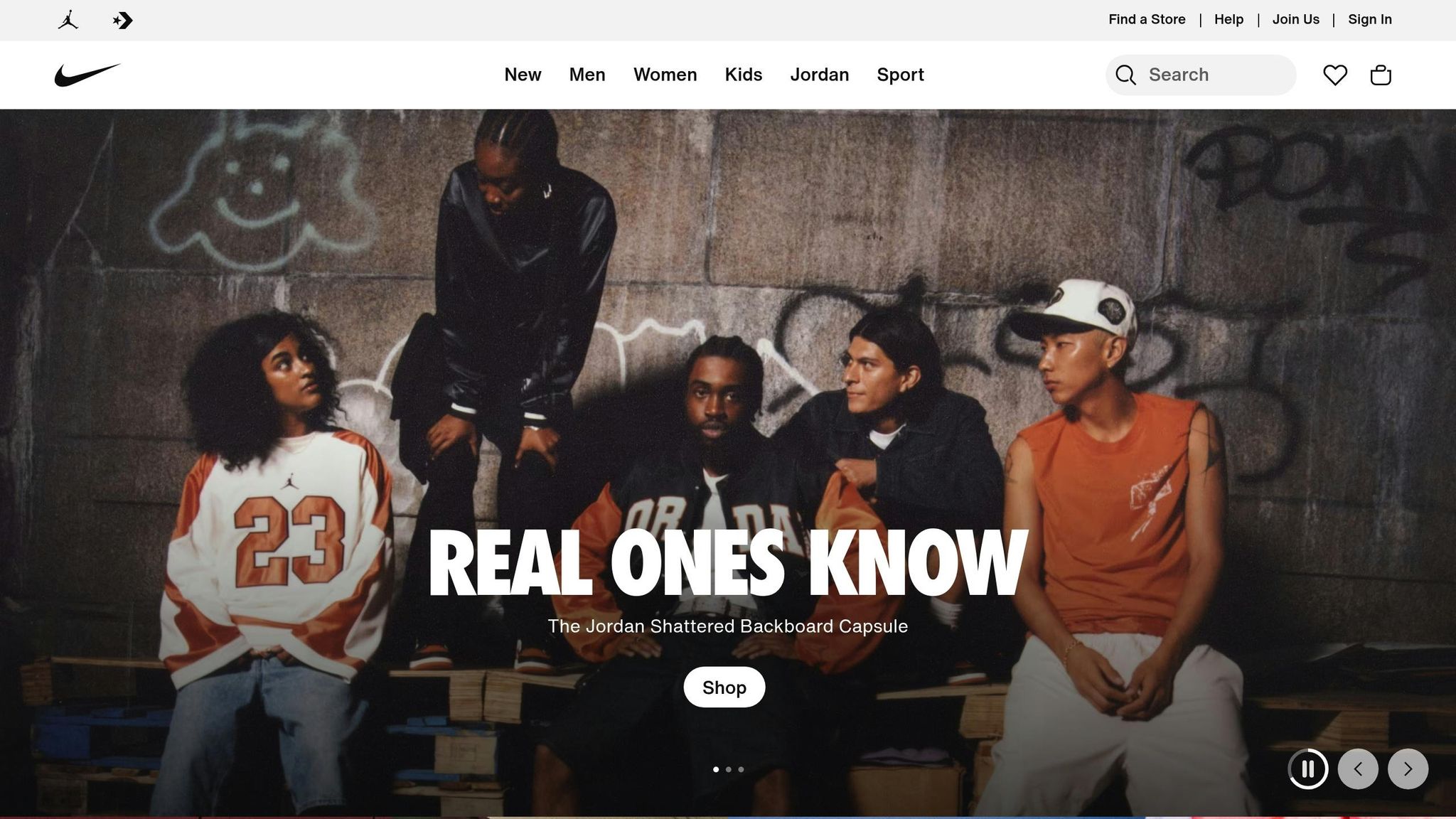
What is Behavioural Segmentation? | Nike Example
Data Collection and Integration
Building effective behavioral segmentation starts with collecting data from every customer interaction and combining it to create a complete view of their journey. Below, we’ll explore the key sources of behavioral data and how to integrate them effectively.
Key Sources of Behavioral Data
Customers leave traces of their preferences and habits across various platforms. Each source offers a unique piece of the puzzle.
- Website analytics: Tools like Google Analytics track how visitors navigate your site, where they spend time, and where they drop off. This data uncovers browsing habits, product interests, and points of friction in the customer journey.
- Purchase history: Transaction data reveals what customers buy, how much they spend, and how often they return. It also highlights payment preferences, shipping choices, and seasonal shopping trends, offering direct insights into customer behavior.
- Email metrics: Engagement data, such as open rates, click-through rates, and link interactions, helps you understand customer interests. For instance, a customer who frequently opens emails but rarely clicks behaves differently from one who only responds to specific promotions.
- Customer service interactions: Support tickets, chats, and calls shed light on customer pain points and satisfaction levels. Someone contacting support about frequent shipping delays has different needs than a customer asking detailed product-related questions.
- Social media activity: Likes, shares, and comments on platforms like Instagram, Facebook, and X (formerly Twitter) reveal how customers engage with your brand socially. This data helps identify loyal fans, influencers, and those who prefer social platforms for communication.
- Mobile app data: Metrics like screen time, feature usage, and in-app purchases provide a more granular view of behavior, often distinct from web-based interactions.
Combining Data for a Complete Customer View
While each data source provides valuable insights, the real power lies in combining them to create a unified, detailed customer profile.
- Customer Relationship Management (CRM) systems: CRMs act as the central hub for integrating data from multiple sources. They compile customer interactions, purchases, and engagement into a timeline, revealing patterns that might go unnoticed when data is siloed.
- Customer Data Platforms (CDPs): CDPs take integration further by building real-time, unified profiles. For example, a CDP might connect a customer’s browsing activity on a laptop with their mobile app purchases and email interactions, creating a seamless behavioral snapshot.
- All-in-one platforms: Solutions like Maestra combine a real-time CDP with an activation layer in one system. The CDP unifies data from every touchpoint into a single profile; the activation layer uses that profile to run segmentation, email, SMS, push, on-site personalization, and promotions — so behavioral data turns into communication without moving between tools
- Identity resolution: A crucial step in integration, this process matches data points from different platforms to the same individual. For instance, a logged-in website session can be linked to a mobile app purchase. Advanced methods like probabilistic matching analyze device fingerprints and browsing patterns to connect related activities.
- Data normalization: Ensuring consistency across platforms is essential. For example, product categories may be labeled differently in your e-commerce system versus your email marketing tool. Normalizing this data ensures it can be analyzed cohesively.
Tools for Data Collection
The right tools simplify data gathering and integration, even when dealing with large volumes of interactions across multiple channels.
- Google Analytics 4: This tool provides detailed insights into web and mobile behavior, including shopping patterns, checkout abandonment, and customer lifetime value. Its integration capabilities allow seamless data sharing with other tools.
- Shopify Analytics: Platforms like Shopify track transaction data and customer behavior specific to online retail. Metrics such as average order value, repeat purchase rates, and seasonal trends make it ideal for segmentation.
- Email marketing platforms: Tools like Mailchimp, Klaviyo, and Constant Contact offer advanced tracking of email engagement. They can segment customers by email activity and integrate with e-commerce platforms to follow the journey from email to purchase.
- Heat mapping tools: Hotjar and Crazy Egg show how users interact with individual pages – where they click, how far they scroll, and what grabs their attention. This helps optimize the user experience and identify high-intent actions.
- Customer feedback tools: Surveys, review platforms, and feedback widgets provide direct insights into customer motivations. While not traditional behavioral data, this feedback validates assumptions and adds context to quantitative findings.
Data Analysis and Segment Creation
Once you’ve gathered behavioral data from various sources, the next step is to dig into it, uncover patterns, and create actionable customer segments. This process transforms raw numbers into insights that fuel personalized marketing strategies and enhance customer interactions.
Finding Patterns in Behavioral Data
Analyzing behavioral data involves going beyond surface-level metrics to uncover deeper trends that reveal what motivates your customers and how they prefer to engage. The goal? Spot recurring behaviors that distinguish different customer types and predict their likelihood to interact or make a purchase.
For instance, studying purchase intervals and spending habits can help forecast when customers might return and identify upsell opportunities. Similarly, engagement patterns – like customers who open emails but don’t click versus those active on social media – offer clues about their preferences. Website activity, such as browsing depth or checkout behavior, can highlight what products resonate most, while tracking how customers move between touchpoints (like mobile apps, desktop, and social media) reveals channel preferences.
Tools like machine learning and AI can uncover intricate patterns that might be missed with manual analysis. These insights lay the groundwork for creating effective customer segments.
Building Customer Segments
Using the insights from your data analysis, you can group customers based on their behaviors to run highly targeted campaigns. The trick is to strike a balance – segments should be specific enough for personalization but broad enough to support meaningful campaigns.
- High-value repeat customers: These are your loyal shoppers who frequently purchase high-ticket items and engage across multiple channels. Though they may represent a smaller group, they often account for a significant chunk of your revenue.
- Bargain hunters: These customers wait for sales and promotions before making a purchase. They’re the ones browsing and adding items to wishlists, especially during promotional periods.
- One-time purchasers: This group completes a single transaction and doesn’t return. Analyzing their behavior can provide clues about how to retain them.
- Browse-heavy, low-purchase customers: These individuals spend a lot of time exploring your website or engaging with content but rarely convert. Retargeting and personalized recommendations can help re-engage them.
- Seasonal shoppers: Their buying patterns align with specific holidays, events, or personal cycles, making them ideal for timely, event-driven campaigns.
- Mobile-first customers: These shoppers prefer mobile devices and value quick, streamlined purchasing experiences. They’re often responsive to mobile-specific deals.
By combining multiple behavioral indicators like purchase frequency, device usage, and order value, you can craft messaging and product recommendations that feel tailor-made.
Data Quality and Privacy Compliance
Once your segments are defined, it’s critical to ensure your strategy is built on accurate data and adheres to privacy regulations. These factors directly impact the reliability and credibility of your segmentation.
Data accuracy requires regular validation and cleaning. As customer behavior changes, outdated information can distort your segments. Frequent audits can catch inconsistencies and keep your data sharp.
Identity resolution becomes essential when merging data from different sources. You need to ensure that each customer profile represents a single individual, avoiding errors like combining data from multiple users sharing a device.
Privacy regulations like GDPR and CCPA demand explicit consent for data collection and clear communication about how the data will be used. Customers should know what information is being collected, how it’s analyzed, and how they can opt out or request data deletion.
Data retention policies should align with both legal requirements and your business goals. This means setting clear timelines for how long you store and use customer data. For instance, inactive customer data might need to be anonymized or deleted, which can impact long-term trends and segment stability.
Transparency is key to building trust. Clear privacy policies and easy ways for customers to manage their data preferences go a long way in fostering confidence. Regular reviews of your segmentation practices – such as who has access to behavioral data, how it’s shared with third-party tools, and whether it aligns with your privacy policies – can help you catch potential issues early.
“52% of consumers would switch brands if they felt like they weren’t being offered a personalized service”.
Investing in thorough data analysis and creating precise segments pays off. When customers receive messages and offers that align with their actual behavior rather than generic assumptions, engagement increases, and so does their lifetime value. It’s a win-win for both customers and businesses.
Using Behavioral Segments in Marketing
Once you’ve defined your customer segments, the next step is to turn those insights into meaningful, personalized campaigns. This is where data meets action, creating a direct connection between your analysis and customer engagement.
Creating Targeted Campaigns with Segments
Each behavioral segment deserves its own tailored marketing strategy. Why? Because their habits, preferences, and motivations are unique. Let’s break down some examples:
- High-value repeat customers: These are your loyal shoppers. They respond well to exclusive offers, early access to products, and premium experiences. Use their purchase history to craft personalized recommendations, making them feel valued and understood.
- Bargain hunters: Deals and discounts are their sweet spot. Highlight promotions, limited-time offers, and price comparisons in your campaigns. Timing matters here – email them during big sales events or send push notifications about flash sales and abandoned carts with discount codes.
- One-time purchasers: The goal here is retention. A welcome email series with helpful content tied to their purchase can work wonders. For instance, if someone buys running shoes, follow up with running tips or suggest complementary products like athletic socks.
- Browse-heavy, low-purchase customers: These users need a nudge. Retargeting ads that showcase products they viewed, along with customer reviews and social proof, can build trust. Sweeten the deal with limited-time discounts or free shipping to push them toward a purchase.
- Mobile-first customers: Optimize their experience with streamlined product pages and a hassle-free checkout process. On the other hand, desktop users may prefer detailed product comparisons and in-depth reviews.
- Seasonal shoppers: Timing is everything. For back-to-school shoppers in August or holiday buyers in November, send campaigns that align with their buying patterns. Tailor your messaging to match their needs during those peak times.
Personalization doesn’t stop with emails or ads. Your website should reflect these segment strategies too. For example, high-value customers might see premium offers, while bargain hunters are greeted with sale items front and center.
Automation Tools for Managing Segments
Managing multiple behavioral segments manually? That’s a recipe for burnout as your customer base grows. Automation tools are a game changer – they make scaling personalization not just possible, but seamless.
Platforms like Klaviyo and Mailchimp can dynamically update segments based on real-time behavior. They also trigger email sequences tailored to each segment, ensuring your audience gets relevant content without constant manual adjustments.
Some platforms combine both. For example, Maestra pairs a real-time CDP with native email, SMS, push, and on-site personalization, so segments update and activate in the same system. It supports RFM analysis, nested logic, calculated and custom fields, plus in-session segmentation — the site adapts to a visitor’s behavior with every click, without waiting for data to sync.
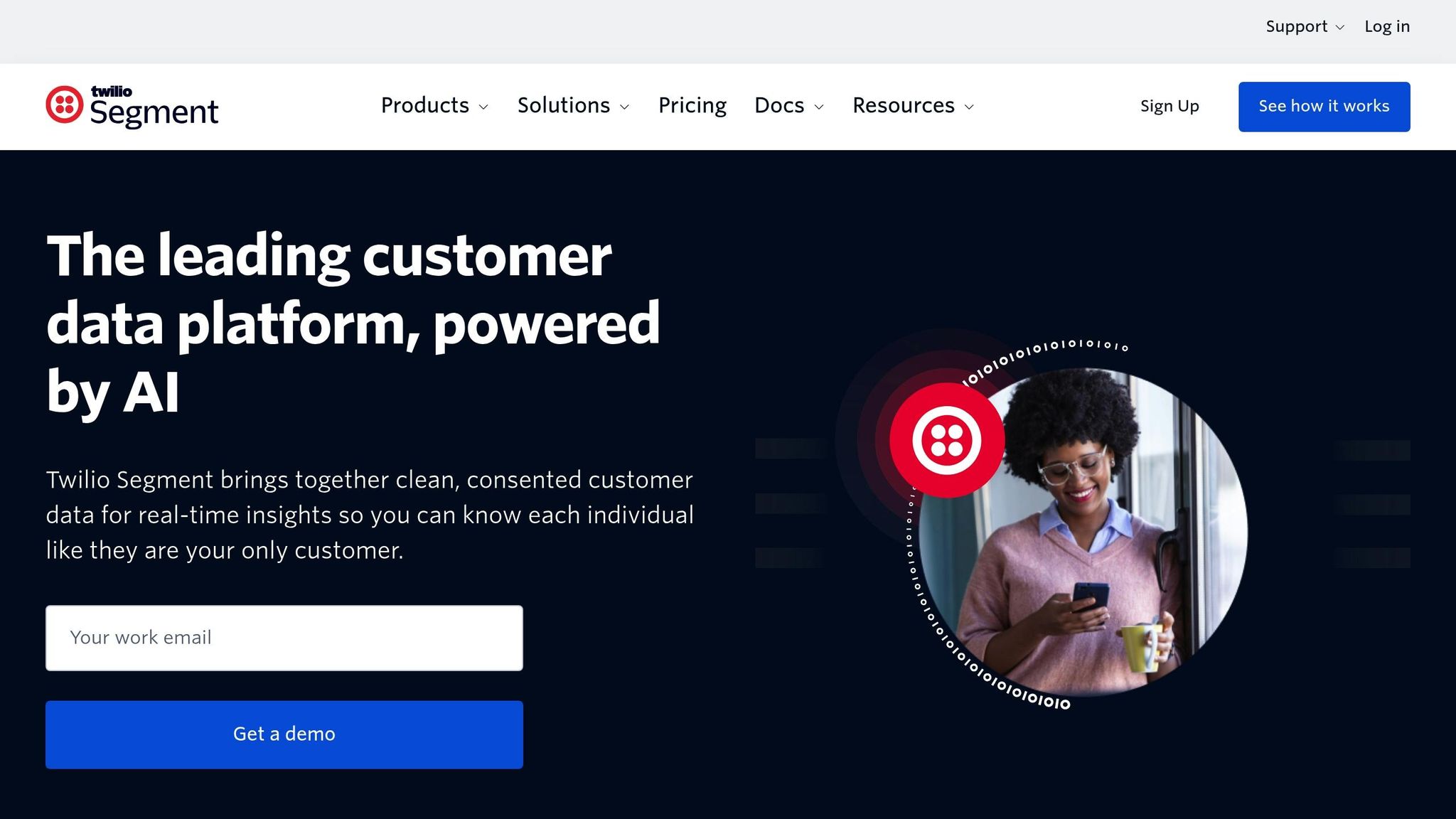
For a more unified approach, Customer Data Platforms (CDPs) like Segment or Twilio Engage bring together behavioral data from various touchpoints. They automatically update segment memberships as customer actions evolve, keeping your campaigns aligned with the latest behaviors.
Want to take things further? Personalization engines can adjust website content, product recommendations, and promotions based on a visitor’s segment. For instance, repeat customers might see premium products, while bargain hunters are shown the latest discounts.
Automation workflows also allow for smooth transitions between segments. If a one-time buyer makes a second purchase, they can automatically move into the “repeat customer” category, triggering new messaging and offers that reflect their updated status.
Best Practices for Using Segments
Automation is just the beginning. To truly make the most of your segments, follow these best practices:
- Start simple: Begin with three to five main behavioral segments. This gives you room to experiment and measure results without overwhelming complexity. Once you’re confident, you can refine or add more specific groups.
- Test and learn: Use A/B testing to compare segment-specific messaging against general campaigns. Experiment with subject lines, offers, and content to see what resonates most. Track key metrics like open rates, click-throughs, and conversions to fine-tune your approach.
- Stay consistent across channels: Whether a customer interacts via email, social media, or your website, the messaging should feel unified. A mobile-first shopper, for example, should see the same offers everywhere they engage with your brand.
- Review performance regularly: Dive into metrics like customer lifetime value, conversion rates, and engagement levels for each segment. If a segment underperforms consistently, consider redefining or merging it with another.
- Respect preferences: Not everyone wants daily emails. Use engagement data to gauge the right frequency for each segment, and always give customers the option to adjust their preferences.
- Track segment migration: Pay attention to how customers move between segments over time. For example, if bargain hunters often evolve into high-value repeat customers after their third purchase, create campaigns to encourage and accelerate that shift.
The ultimate goal? Delivering a personalized, seamless experience at every touchpoint. When customers feel that your messaging aligns with their interests and habits, they’re more likely to engage, buy, and stick around for the long haul.
Measuring and Improving Behavioral Segmentation
Once you’ve implemented behavioral segmentation in your marketing strategy, the work doesn’t stop there. To keep it effective, you need to monitor its performance and refine it continuously. Customer behaviors and market conditions evolve, and without regular updates, even the most well-thought-out segments can lose their relevance. Here’s how to ensure your behavioral segmentation remains impactful.
Tracking Key Business Metrics
Just like with any targeted campaign, it’s essential to track metrics that directly tie to your business goals. Instead of focusing solely on engagement numbers, prioritize metrics that reflect revenue and customer value.
For example, compare conversion rates to see how your segments are performing. If your “bargain hunters” are converting at 8% while your general audience lags at 3%, that’s a clear sign your segmentation is working. Take it a step further by analyzing performance across different channels – email, social media, or paid ads – to identify where each segment thrives.
Customer lifetime value (CLV) is another critical metric. If the CLV differences between segments don’t justify your efforts, it might be time to revisit your segment definitions or refine your strategies. Similarly, looking at average order value (AOV) by segment can provide actionable insights. For instance, “premium shoppers” might have a higher AOV than budget-conscious customers, helping you tailor offers, product recommendations, or even shipping options.
Don’t overlook email metrics either. Variations in open rates, click-through rates, and unsubscribe rates across segments can reveal whether your messaging resonates. Revenue attribution is equally important – sometimes, a segment that represents a large portion of your customer base contributes less to overall revenue. This insight can help you allocate marketing resources more effectively.
To stay on top of these metrics, review them monthly. Automated dashboards can make this process smoother and help you keep a close eye on segment performance.
Updating Segments Based on New Data
Customer behavior is anything but static. Changes in shopping habits, economic conditions, or even global events like the pandemic can significantly shift how customers engage with your brand.
Regularly review and adjust your segments. For instance, if a one-time buyer suddenly starts making frequent purchases, consider moving them into a “repeat buyer” segment and tailoring your messaging accordingly. Seasonal trends can also create temporary shifts in behavior. In such cases, you can create short-term sub-segments without altering your core definitions.
External factors like supply chain disruptions, new competitors, or economic changes can reshape customer behavior overnight. With 58% of consumers abandoning brands that fail to personalize their experiences, staying agile is key. Use customer feedback from surveys, social listening, or direct outreach to gain qualitative insights into these shifts. Real-time analytics can also help you spot trends, such as a surge in mobile traffic alongside a drop in desktop conversions, which might signal the need for a stronger mobile-first approach.
That said, it’s important to balance responsiveness with stability. Look for consistent patterns over several weeks before making adjustments. Reacting to day-to-day fluctuations can lead to confusion and dilute your marketing efforts.
Recording and Standardizing Segment Definitions
Clear, standardized documentation is critical to keeping your segmentation strategy consistent and effective. Without it, you risk mixed messaging and inefficiencies across teams.
Define each segment with specific, measurable criteria. For example, instead of vaguely labeling a group as “frequent buyers”, set clear parameters like “customers who have made three or more purchases in the last 90 days and spent over $200.” Include both inclusion and exclusion criteria to avoid overlap between segments.
Creating playbooks for each segment can further streamline your efforts. These playbooks should outline messaging strategies, preferred channels, and campaign ideas for each group. They’re especially helpful for onboarding new team members or aligning product launch plans with your segmentation strategy.
Documenting changes to segment definitions is equally important. When you update a segment’s criteria, record what changed and why. This historical record can help you track performance trends and prevent repeating past mistakes.
Cross-team alignment is essential. Share your documented segment definitions with customer service, sales, and product teams so everyone understands how customer groups behave and what they need. Regular audits can also help identify segments that are too broad or too narrow.
Finally, keep a record of testing protocols, including successful A/B tests and optimal communication cadences. This ensures valuable insights aren’t lost over time and helps maintain a consistent approach to experimentation.
Next Steps and Implementation
Behavioral segmentation has the power to reshape your eCommerce strategy. Here’s how you can start implementing it to achieve measurable results.
Key Takeaways
- Centralize your data: Bring together analytics, email insights, and purchase records to create a complete view of your customers. Often, this valuable information is scattered across different platforms.
- Define focused segments: Aim for 4–6 segments that are broad enough to target effectively but specific enough to allow for personalization. This balance keeps your efforts efficient while driving meaningful outcomes.
- Automate updates and messaging: Use tools to automatically adjust segments as customer behaviors shift. Marketing automation platforms can ensure timely, relevant communication.
- Track key metrics: Focus on conversion rates, customer lifetime value (CLV), and average order value (AOV) for each segment. These indicators reveal which groups are driving revenue, not just engagement.
- Regularly refresh your segments: Review and adjust your segments monthly to stay aligned with changing customer behaviors and trends.
By following these steps – and with expert guidance – you can maximize the impact of behavioral segmentation.
How Growth-onomics Can Help

Growth-onomics specializes in turning customer data into actionable campaigns. By combining data analytics, customer journey mapping, and performance marketing, we create systems that drive sustainable growth.
Our team helps you set up tracking infrastructure, choose the right automation tools, and design processes for dynamic segmentation. With a clear strategy and expert support, you’ll be ready to execute a results-driven plan.
Getting Started with Behavioral Segmentation
If you’re ready to integrate behavioral segmentation into your eCommerce strategy, here’s a practical 30-day roadmap to get started:
- Week 1: Begin with a data audit. Identify where your customer data lives and set up tracking for key actions like product views, cart additions, and email engagement. Many businesses discover they need to enhance their data collection before diving into segmentation.
- Week 2: Create three foundational segments, such as new visitors, repeat buyers, and cart abandoners. Use clear criteria – like two or more purchases within six months or recent cart abandonment – to define these groups.
- Week 3: Launch targeted campaigns for each segment. Test simple messaging strategies, such as welcome emails, loyalty rewards, or incentive offers. These initial campaigns will help establish baseline performance metrics.
- Week 4: Evaluate your results. Compare performance across segments, focusing on conversion rates and CLV. Use these insights to refine your segment definitions and improve your approach.
This plan lays the groundwork for more advanced segmentation as your expertise grows. Over time, you can explore segments like purchase frequency groups, seasonal shoppers, or preferences for specific product categories. The key is to start with manageable steps and build from there.
FAQs
How can eCommerce businesses comply with privacy laws like GDPR and CCPA when using behavioral segmentation?
To align with privacy laws like GDPR and CCPA while using behavioral segmentation, businesses need to prioritize clear and informed consent from users before gathering any data. It’s crucial to be transparent – explain how the data will be used and make it simple for users to adjust their preferences.
Emphasize the use of first-party data and integrate privacy-by-design principles to reduce potential risks. Conducting regular privacy audits can help uncover and resolve any issues early. Additionally, consent management tools can simplify tracking and managing user permissions, ensuring compliance with regulations.
By focusing on building trust and following legal guidelines, businesses can use behavioral segmentation effectively while respecting user privacy.
What makes Customer Data Platforms (CDPs) better than traditional CRM systems for using behavioral data?
Customer Data Platforms (CDPs) shine when it comes to automatically gathering and unifying behavioral data from multiple sources in real time. Unlike traditional CRMs, which depend heavily on manual data entry and are primarily designed to track customer interactions, CDPs go further by integrating behavioral insights to build detailed, up-to-date customer profiles.
With this capability, businesses can achieve more accurate audience segmentation and craft highly tailored marketing campaigns. The result? Stronger engagement and improved conversion rates. Using a CDP empowers you to make decisions rooted in data, perfectly aligned with your customers’ actions and preferences.
How can businesses monitor and evaluate the success of their behavioral segmentation strategy over time?
To measure how well a behavioral segmentation strategy is working, businesses should focus on tracking important metrics like customer engagement, purchase patterns, and growth within segments. Keep an eye on data such as website traffic, email click-through rates, and purchase histories to spot patterns and assess how each segment is performing.
By consistently reviewing these metrics, businesses can see if certain customer groups are becoming more engaged or generating higher profits. This ongoing analysis makes it possible to fine-tune strategies, sharpen targeting efforts, and ensure segmentation leads to impactful results.