


Incentive programs can be game-changers for businesses, driving higher revenue, retention, and productivity. For small to medium-sized businesses, even small improvements – like a 5% boost in employee retention – can translate to profitability gains of 25%-85%. This article explores 10 U.S.-based incentive programs that delivered measurable results, from tiered rewards for sales teams to loyalty programs that built stronger customer relationships.
Key Insights:
- Engagement matters: 77.9% of employees say recognition boosts productivity.
- Programs with clear goals and measurable results perform better.
- Customization and real-time tracking consistently improve participation and ROI.
- Flexible reward options (cash, perks, or experiences) appeal to diverse audiences.
Featured Case Studies:
- Plumbing Plus: Tiered rewards increased sales and customer acquisition.
- JAS Oceania: Real-time tracking reduced customer churn and grew sales.
- Epson: A simple, points-based reseller program drove product sales.
- KIND Snacks: Subscription rewards secured recurring revenue.
These programs highlight the importance of aligning incentives with business goals and participant preferences. Whether you’re targeting employees, partners, or customers, a well-designed incentive program can deliver strong returns.
Wells Fargo’s $300 incentive: A mistake you can learn from
How We Selected These Case Studies
To identify the best examples of incentive programs in the U.S., we examined dozens of initiatives. Our approach was guided by three key criteria that distinguish effective programs from those that merely appear impressive in theory.
Clear Incentive Mechanisms were our top priority. Each program had to showcase a straightforward reward system that participants – whether employees, partners, or customers – could easily understand and act upon. We focused on programs with specific performance goals, transparent earning rules, and rewards tied directly to measurable actions. Programs with overly complicated or vague structures didn’t make the cut.
Measurable Business Impact was the next filter. We only included case studies backed by solid, verifiable data. This meant digging into metrics like revenue growth, improved retention rates, increased productivity, or cost savings. For instance, we sought clear numbers – percentage gains, dollar amounts, or defined timeframes – that businesses could use as benchmarks for their own operations.
Relevance to U.S. Markets was the final piece of the puzzle. We prioritized programs designed for U.S.-based companies or global businesses with a significant presence in the U.S. This ensured alignment with the unique regulatory environment, business culture, and market dynamics American companies face daily. Once we established these criteria, we rigorously verified each program’s metrics.
Our research relied on verified industry reports, trusted publications, and direct company communications. We cross-checked claims across multiple reliable sources, excluding programs that lacked concrete data or relied solely on testimonials without evidence.
We also factored in the range of industries and program types to provide a well-rounded perspective. This included employee incentive programs, partner or dealer initiatives, and customer loyalty strategies across sectors like manufacturing, retail, distribution, and services.
The ability to track results was critical. Many companies measure the ROI of incentive programs through reduced turnover, increased productivity, higher customer satisfaction, or revenue tied to specific improvements. We gave preference to case studies where companies had systems in place from the start to consistently monitor key performance indicators.
"Culture and morale changed overnight! In under 2 months, we’ve had over 2,000 kudos sent and 80%+ engagement across all employees." – Jeff Hagel, President at M&H
This quote highlights the kind of measurable, time-specific outcomes we sought – results that other businesses can use as benchmarks for success.
Beyond the primary criteria, we also evaluated each program’s long-term viability and scalability. Programs showing sustained success over time were favored, as data shows initiatives lasting a year deliver a 44% performance boost compared to 30% for those under six months. This preference for established, proven programs ensures each case study addresses the real-world growth challenges U.S. businesses face today.
10 Case Studies of Successful Incentive Programs
Here are ten examples of incentive programs that turned strategic efforts into measurable success in the U.S. market.
Plumbing Plus: Tailored Rewards Drive Sales Growth
Plumbing Plus saw a boost in sales by introducing a tiered rewards system aimed at large deals and customer retention. The program featured three tiers based on monthly sales volume, offering rewards like gift cards and vacation packages. They also added bonus incentives for cross-selling and referrals, encouraging teamwork. By surveying their team to identify preferred rewards, the program achieved high participation and engagement, leading to increased sales revenue and new customer acquisition.
JAS Oceania: Real-Time Incentives Keep Customers Engaged
JAS Oceania introduced its Start N Charge program to address customer churn among mid-tier business clients. The program used real-time tracking and immediate rewards based on shipping volume, service frequency, and contract renewals. Customers benefited from tiered perks like priority scheduling and discounted rates. Dynamic dashboards allowed participants to monitor progress instantly. This approach led to improved customer retention and sales growth, with continuous data analysis helping refine the program over time.
Epson: Simplified Rewards Boost Reseller Participation
Epson streamlined its rewards program to make it more appealing to resellers. Participants earned points for every printer sold, with bonus multipliers for specific products. Points could be redeemed through a user-friendly online portal for cash rebates or exclusive merchandise. This straightforward system resulted in high redemption rates and increased sales of targeted products, highlighting the effectiveness of clear and simple program mechanics.
Tyre Manufacturer: Flexible Dealer Incentives
A tire manufacturer created a dealer rewards program offering points for sales, training, and promotional activities. Dealers could redeem points for business equipment, marketing support, cash bonuses, or even family-friendly options like conference attendance. The program achieved near-universal participation, with sales rising significantly among dealers who joined. The flexibility of the rewards allowed participants to choose incentives that aligned with their individual needs.
Animal Health Company: Seasonal Incentives for Dual Audiences
An animal health company developed a dual-track incentive program targeting both veterinary distributors and end-user veterinarians during peak seasons. Distributors earned rewards for volume sales and new accounts, while veterinarians received points for product usage and professional development. This dual approach led to strong seasonal sales growth and a high return on investment by addressing the unique motivations of each group.
DefenAge: Loyalty Program Builds Repeat Business
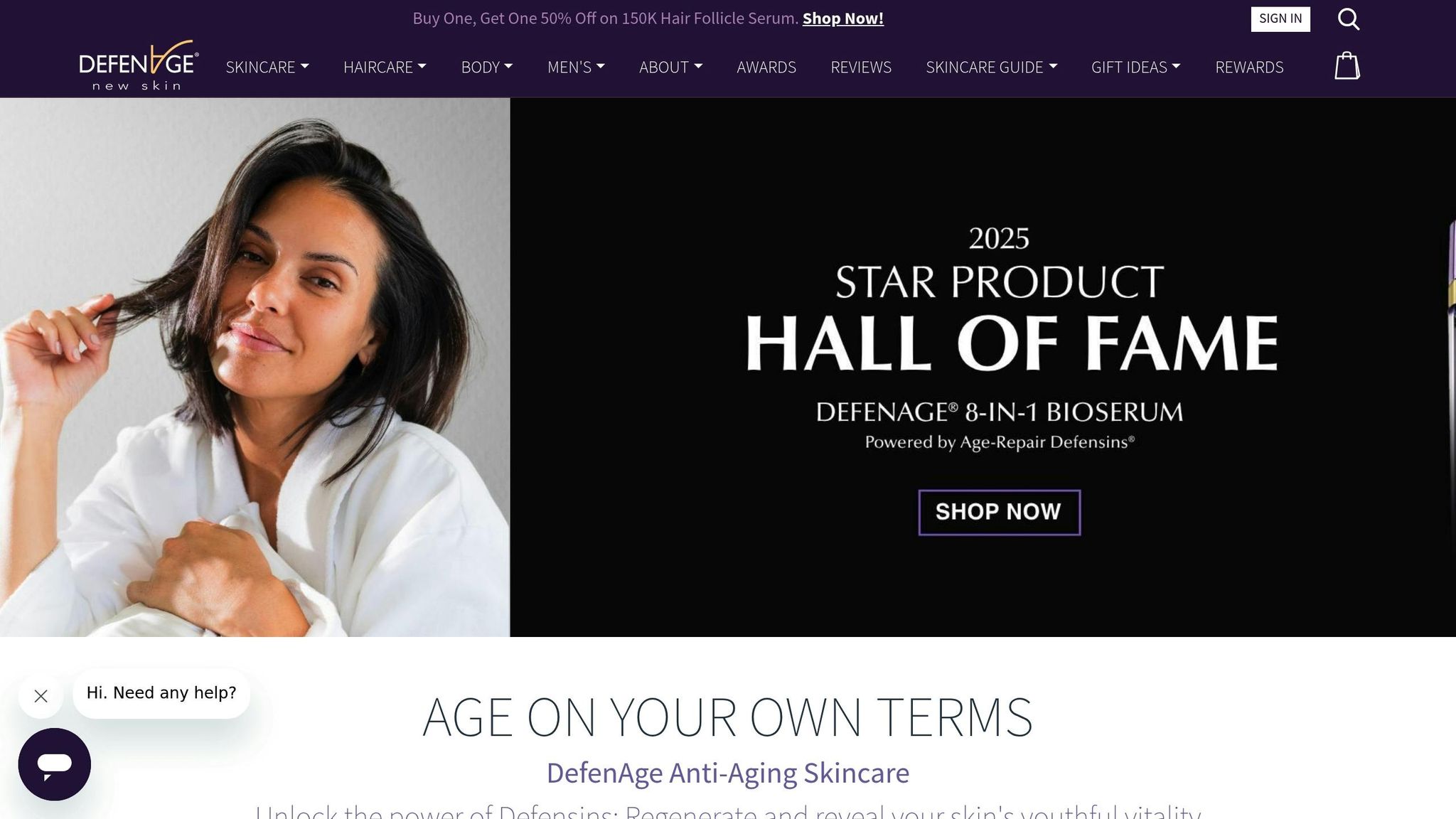
DefenAge introduced a loyalty program focused on increasing repeat purchases. Customers earned points for purchases, reviews, social media activity, and referrals. Points could be redeemed for product samples, exclusive access, or personalized consultations. By offering multiple ways to engage beyond transactions, the program strengthened customer retention and cultivated a community of loyal brand advocates.
National Distributor: Flexible Points System Revives Online Sales
A national B2B distributor tackled declining online sales with a customizable points-based system. Customers could tailor their earning and redemption preferences, choosing options like volume discounts, early product access, or educational resources. The program’s online platform featured real-time tracking and personalized recommendations, leading to higher online sales and increased cross-category purchases among existing customers.
GT’s Living Foods: Loyalty Through Community
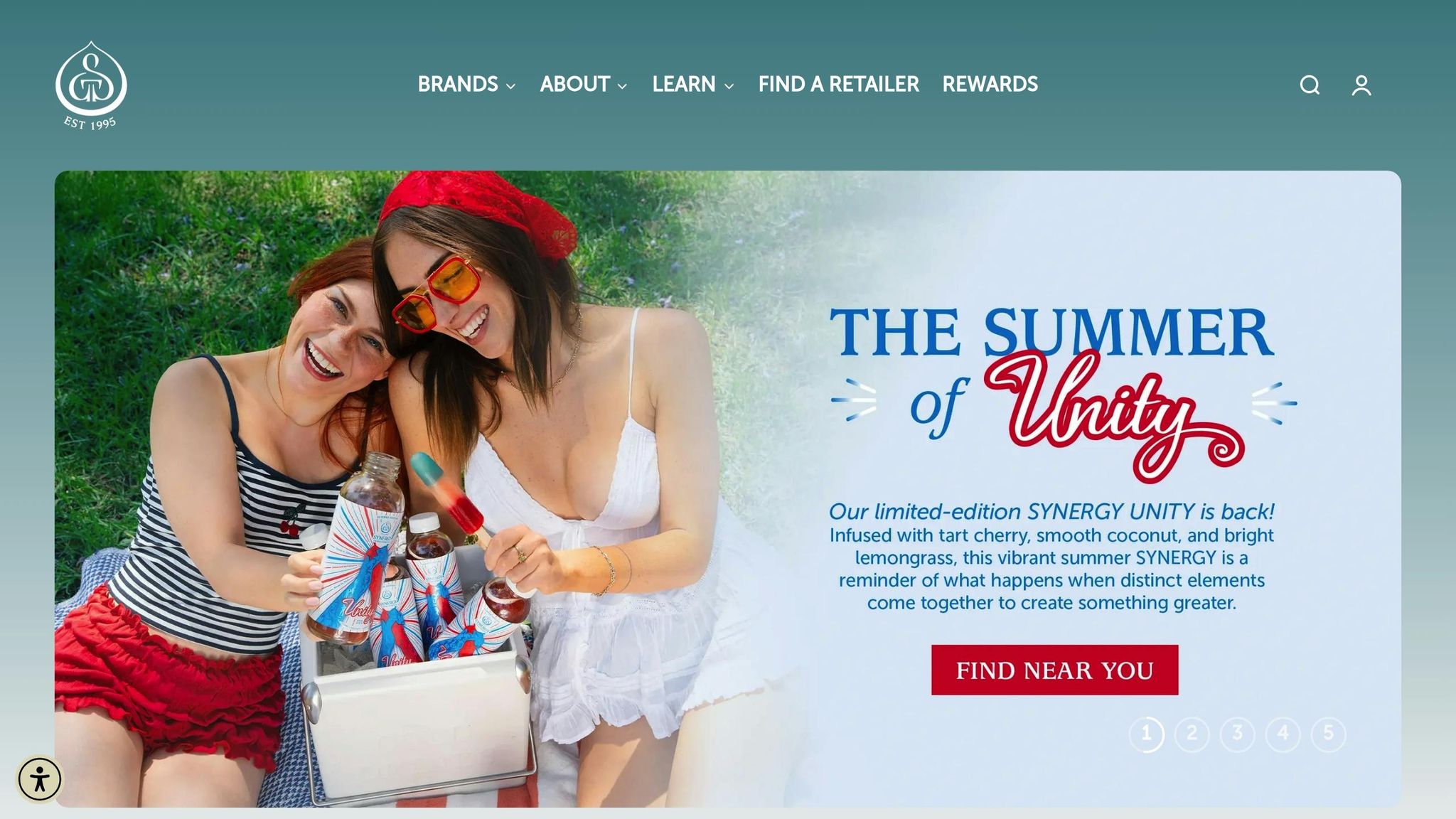
GT’s Living Foods launched the Culture Club program, blending purchase rewards with community-focused incentives. Members earned points for activities like event attendance and online participation, while also gaining access to exclusive recipes, workshops, and health consultations. This approach encouraged product exploration and cross-sales while building a loyal customer base aligned with the brand’s values.
KIND Snacks: Subscription Rewards Boost Engagement
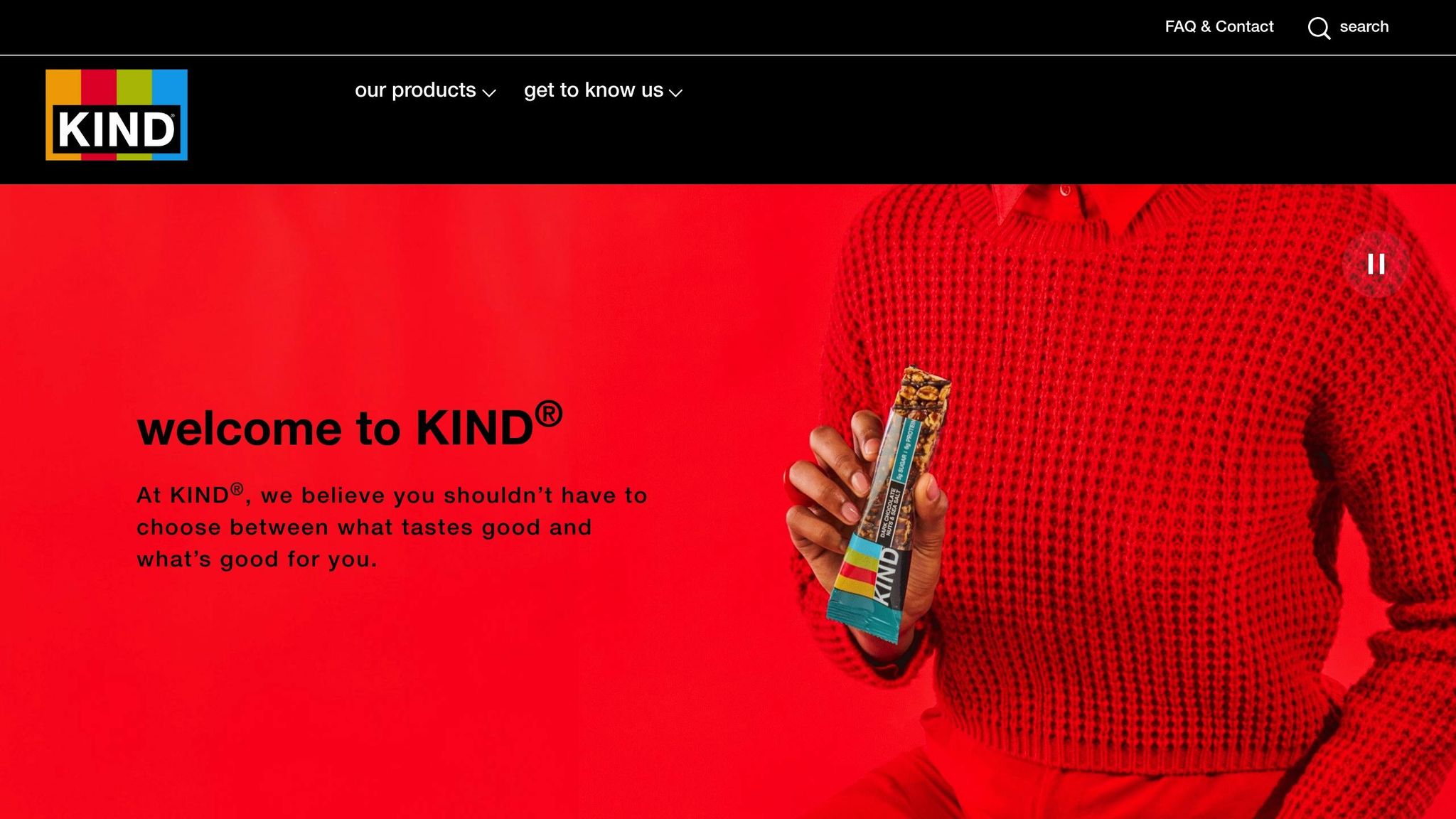
KIND Snacks created a subscription program offering milestone-based rewards like free shipping and exclusive flavors for longer commitments. By fostering ongoing engagement, the program generated predictable revenue streams and increased customer lifetime value. Structured benefits kept subscribers engaged, driving repeat business and strengthening customer loyalty.
Vitamin Shoppe: Dual-Tier Loyalty Maximizes Engagement
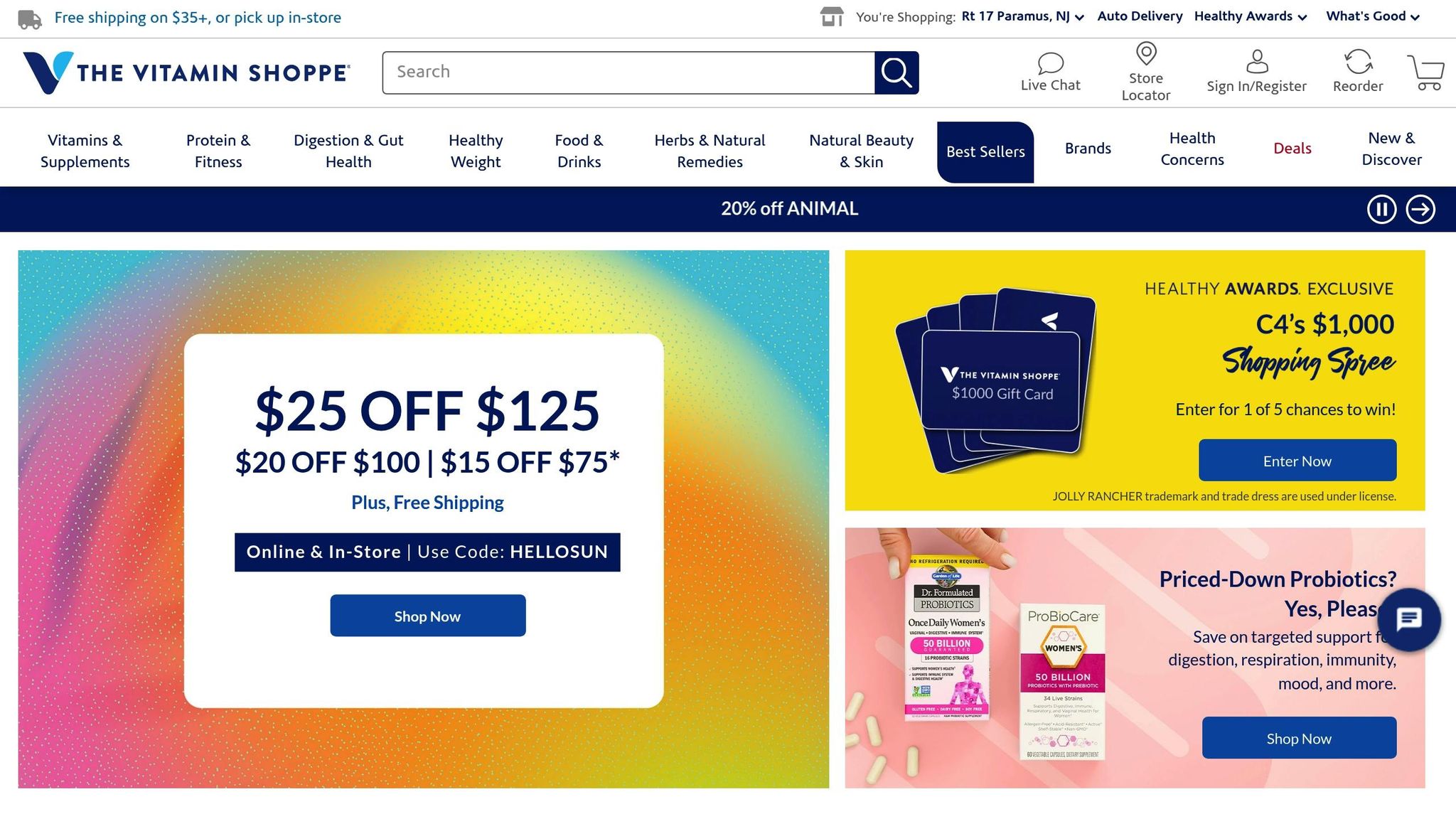
Vitamin Shoppe implemented both free and paid loyalty tiers to cater to different customer segments. The free tier offered basic rewards for purchases and reviews, while the paid tier provided perks like exclusive discounts, early product access, and personalized nutrition consultations. Customers in the paid tier showed higher purchase frequency and larger order values. This dual-tier approach successfully engaged both casual shoppers and highly invested customers, boosting customer lifetime value and brand loyalty across the board.
Comparing Incentive Program Results
The case studies highlight how different incentive structures influence key metrics like performance, cost management, and long-term outcomes. While each program delivered results within its unique context, the data reveals notable variations across industries and program designs.
Comparison Table: Key Metrics and Features
| Company | Industry | Program Type | Key Metrics | ROI/Performance Impact | Primary Success Factor |
|---|---|---|---|---|---|
| Plumbing Plus | Home Services | Tiered Sales Rewards | Increased sales revenue, new customers | High participation rates | Survey-driven reward selection |
| JAS Oceania | Logistics/Shipping | Real-Time Tracking | Improved retention, sales growth | Reduced mid-tier churn | Dynamic dashboards and instant rewards |
| Epson | Technology/Manufacturing | Points-Based Reseller | High redemption rates, targeted sales | Strong reseller engagement | Simplified mechanics, user-friendly portal |
| Tyre Manufacturer | Automotive | Flexible Dealer Points | Near-universal participation, sales boost | High dealer adoption | Multiple redemption categories |
| Animal Health Company | Healthcare/Veterinary | Dual-Track Seasonal | Strong seasonal sales growth, high ROI | Effective dual-audience targeting | Separate tracks for distributors and end-users |
| DefenAge | Beauty/Skincare | Multi-Activity Loyalty | Increased repeat purchases, community building | Enhanced customer retention | Beyond-transaction engagement opportunities |
| National Distributor | B2B Distribution | Customizable Points | Higher online sales, cross-category purchases | Reversed declining online trends | Personalized earning and redemption options |
| GT’s Living Foods | Food & Beverage | Community-Focused | Product exploration, cross-sales | Strong brand alignment | Values-based community activities |
| KIND Snacks | Food & Beverage | Subscription Milestones | Predictable revenue, higher lifetime value | Sustainable subscriber growth | Structured commitment-based benefits |
| Vitamin Shoppe | Health/Retail | Dual-Tier Structure | Higher purchase frequency, larger orders | Maximized engagement across segments | Free and paid tier differentiation |
The table above provides a snapshot of key metrics, but let’s dive deeper into the trends shaping these outcomes. Programs with tiered rewards, real-time tracking, and personalized incentives consistently led to higher participation and sales. For example, Plumbing Plus, the Tyre Manufacturer, and Vitamin Shoppe achieved outstanding participation rates and sales increases with tiered reward systems.
Real-time tracking and instant gratification proved especially effective in B2B settings. JAS Oceania’s immediate rewards system helped reduce customer churn, while the National Distributor’s dynamic platform reversed declining online sales. These features kept participants engaged by offering immediate feedback on their progress.
Industry-specific designs also played a big role in success. Seasonal businesses, like the Animal Health Company, thrived with dual-track approaches that catered to different stakeholder needs during peak periods. Meanwhile, subscription models like KIND Snacks used milestone rewards to encourage predictable, recurring revenue.
Personalization and flexibility emerged as universal drivers of engagement. Programs that allowed participants to choose their rewards consistently saw better adoption compared to rigid, one-size-fits-all models.
For consumer brands, community-building elements stood out as a game-changer. GT’s Living Foods and DefenAge integrated activities beyond transactions, fostering deeper emotional connections with their audiences. This approach not only strengthened loyalty but also opened doors to cross-selling opportunities, making it a win for companies aiming to build lasting relationships rather than just boost short-term sales.
The top-performing programs shared common traits: clear alignment with business goals, simple mechanics, and rewards that resonated with participants. Survey-driven and flexible designs consistently delivered better participation rates than rigid systems.
Finally, program scalability was key to cost efficiency. Flexible structures, like the Tyre Manufacturer’s dealer program, tied rewards directly to incremental performance, ensuring better ROI compared to fixed-budget models. By linking costs to measurable business growth, these programs provided a smarter way to manage expenses.
These findings offer U.S. marketers practical strategies for crafting incentive programs that deliver strong returns and sustained engagement.
sbb-itb-2ec70df
Key Takeaways for U.S. Growth Marketers
The case studies highlight three core principles that U.S. marketers can use right away to improve the performance of their incentive programs. Companies that excel in understanding their customers tend to grow revenue faster than their peers. In fact, businesses experiencing quicker growth generate 40% more of their revenue through personalization compared to slower-growing competitors. These principles provide actionable steps to enhance ROI and retain customers.
Customization Yields Results
Customization stands out as a game-changer. Programs like Plumbing Plus’s survey-based rewards and the Tyre Manufacturer’s adaptable dealer points system show how aligning incentives with participants’ motivations can significantly boost performance – by as much as 44%. The secret lies in understanding your audience. By gathering insights through surveys or feedback, companies can craft a rewards mix that appeals to individual preferences. This could include variable pay, gift cards, or even recognition programs.
Data-Driven Personalization Enhances Engagement
Using real-time data to personalize experiences consistently outperforms static approaches. For instance, JAS Oceania’s dynamic dashboards and the National Distributor’s customizable platform turned around negative trends by tailoring rewards to individual needs. Personalization is not just a buzzword – it delivers results. Companies leveraging personalization report a return of $20 for every $1 invested. On a larger scale, improving personalization across U.S. industries could unlock over $1 trillion in value.
Strategic Alignment Drives Business Impact
The most effective incentive programs tie rewards directly to measurable business growth rather than just activities. Companies that aligned their programs with corporate goals saw a 54% increase in alignment. This focus is critical, especially considering that businesses in the U.S. spend a staggering $176 billion annually on incentives.
"Sales organizations need to be looking at the bigger picture. Your top performers should be rewarded with promotions when they’ve shown consistent results beyond a single sales cycle."
- Paul Reiman, Founder and Managing Partner at Novo Insights
A Roadmap for U.S. Marketers
For marketers eager to apply these insights, the first step is setting SMART goals – Specific, Measurable, Attainable, Realistic, and Time-bound. To amplify success, programs can incorporate gamification, surprise rewards, and social recognition. These strategies ensure participants remain engaged and motivated.
Our case studies emphasize the importance of personalization and strategic alignment, two areas where Growth-onomics excels. By leveraging data-driven tools like customer journey mapping and performance marketing, Growth-onomics helps U.S. businesses design incentive programs that engage participants and deliver measurable results.
The numbers speak for themselves: incentive-based promotions lead to double the annual improvement in customer satisfaction and 34% higher growth in customer lifetime value compared to traditional discount strategies. With 90% of top-performing organizations relying on sales incentives to motivate their teams, the challenge lies in creating programs that replicate these proven successes.
FAQs
What are the key factors behind a successful incentive program, as highlighted in the case studies?
Successful incentive programs have a few common ingredients that make them effective. One of the most important is tying rewards directly to clear business objectives. When employees or participants understand the purpose behind the program and how it connects to larger goals, they’re more likely to engage. Another crucial element is offering customized incentives that genuinely appeal to the target audience – generic rewards often miss the mark. Lastly, open and transparent communication about how performance is measured and rewarded is key to building trust and participation.
Recognizing achievements and providing measurable results also play a big role in keeping motivation high and ensuring accountability. Case studies show that when these principles are in place, participation skyrockets, and businesses see noticeable gains in areas like sales, productivity, and overall growth.
What are the best ways to measure the success of an incentive program and ensure it delivers the desired results?
Measuring the Success of an Incentive Program
To gauge how well an incentive program is performing, businesses need to start with clearly defined Key Performance Indicators (KPIs). These might include metrics like revenue growth, customer retention rates, or employee productivity levels. Regularly monitoring these numbers provides a tangible way to assess the program’s impact.
But numbers alone don’t tell the whole story. Gathering qualitative feedback – through tools like surveys, interviews with employees, or customer discussions – offers deeper insights into areas like morale, loyalty, and overall satisfaction. When you combine hard data with personal feedback, you get a more complete picture of whether the program is meeting its goals and creating real value for your business.
Why is personalization so important for successful incentive programs, and how can businesses use it effectively?
Why Personalization Matters in Incentive Programs
Personalization is the secret sauce that makes incentive programs stand out. When rewards are tailored to individual preferences – like cash bonuses, extra vacation days, or experiences tied to someone’s hobbies – they feel more meaningful. This not only increases motivation but also builds stronger loyalty and boosts participation.
How can businesses make this happen? By using data analytics to get a clearer picture of what employees or customers value most. Giving people a variety of reward options lets them pick what truly matters to them, creating a stronger emotional connection and delivering better outcomes for the program.
